Design

From concept to deployment-ready prototype.

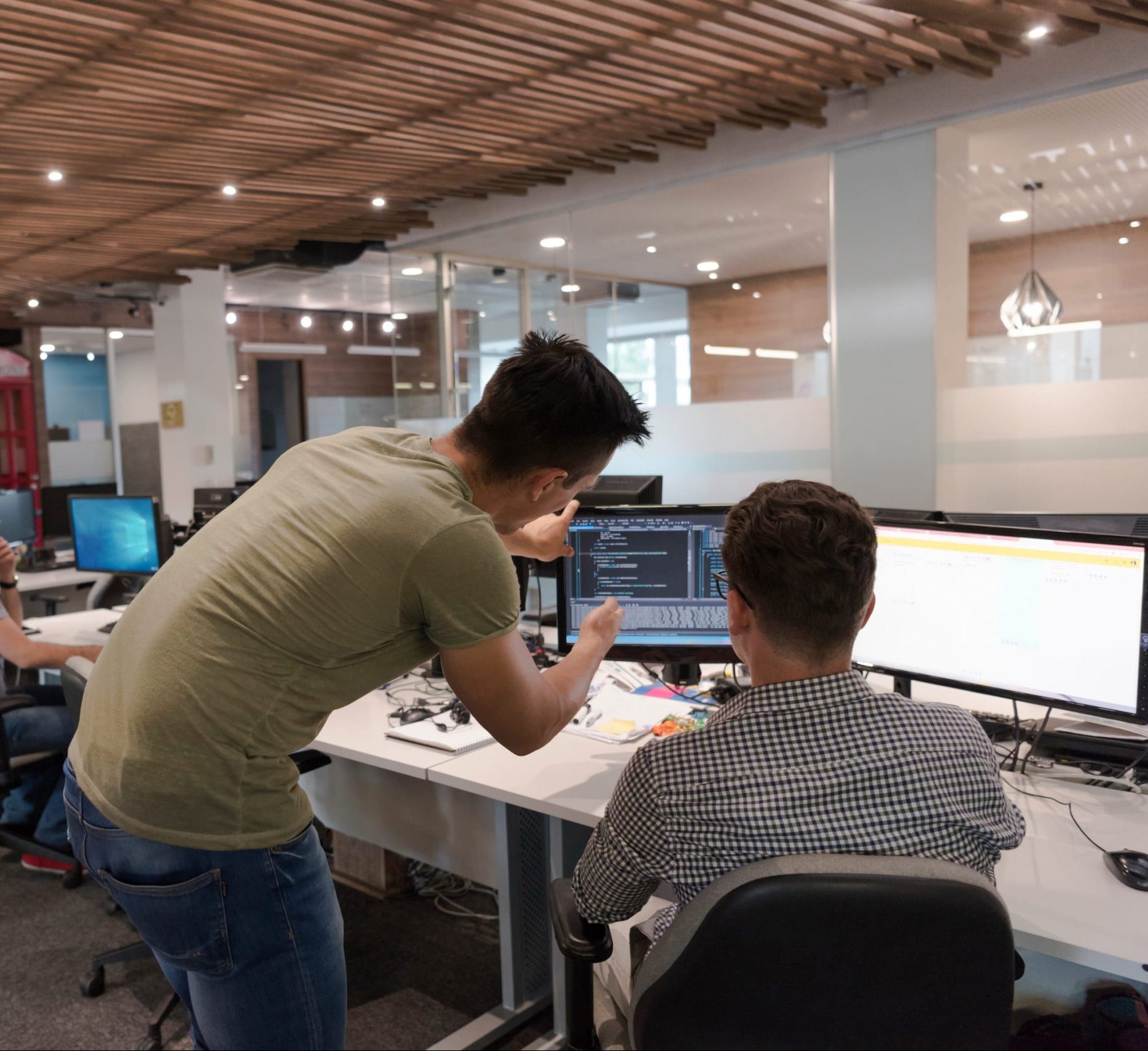
Two professionals collaborating at a workstation on IoT technology in a modern office environment.

Most IoT projects don’t fail because the idea is wrong.

They fail because the prototype doesn’t survive real-world conditions.

  • Connectivity drops outside the lab
  • Power consumption is underestimated
  • Systems don’t scale beyond a few devices
  • Hardware isn’t designed for manufacturing

We approach prototyping differently.

Everything we build is designed with deployment and production in mind from the start.

HOW WE WORK THROUGH A NEW BUILD

Define the problem properly

Before designing hardware or writing code, we align on what needs to work in the field.

  • What environment will this operate in?
  • What connectivity is realistic (not ideal)?
  • What does “success” look like at scale?

Before designing hardware or writing code, we align on what needs to work in the field.

  • What environment will this operate in?
  • What connectivity is realistic (not ideal)?
  • What does “success” look like at scale?

Design the full system

IoT systems fail at integration points, not individual components. We design across the full stack:

  • Hardware (PCB, sensors, RF circuits)
  • Firmware and embedded systems
  • Connectivity (cellular, BLE, Wi-Fi, LoRa)
  • Cloud integration and data flow

IoT systems fail at integration points, not individual components. We design across the full stack:

  • Hardware (PCB, sensors, RF circuits)
  • Firmware and embedded systems
  • Connectivity (cellular, BLE, Wi-Fi, LoRa)
  • Cloud integration and data flow

Build and validate prototypes

Prototypes are testable systems that go beyond one-off demos. We validate:

  • Connectivity stability under real conditions
  • Power consumption over time
  • Data integrity and signal quality
  • System behavior under load

Prototypes are testable systems that go beyond one-off demos. We validate:

  • Connectivity stability under real conditions
  • Power consumption over time
  • Data integrity and signal quality
  • System behavior under load

What we build

Depending on your use case, this can include:

  • Cellular or multi-connectivity gateways
  • Sensor devices (industrial, environmental, wearable)
  • Embedded systems with real-time processing
  • Control systems for industrial applications

Depending on your use case, this can include:

  • Cellular or multi-connectivity gateways
  • Sensor devices (industrial, environmental, wearable)
  • Embedded systems with real-time processing
  • Control systems for industrial applications

Accelerating development with Smart Modules

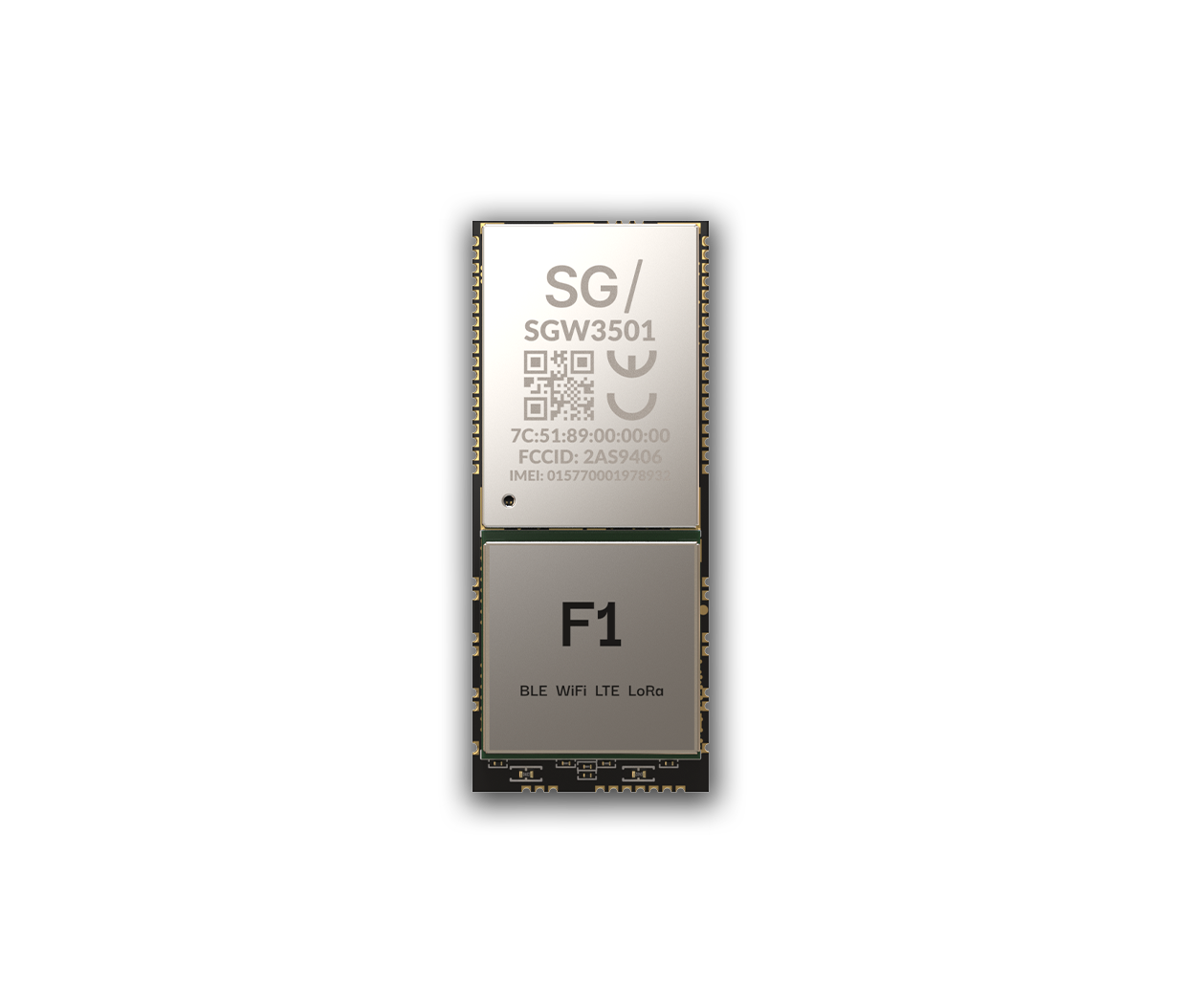
When it comes to development, speed matters more than ever before. If you’re up for options, we use our pre-certified F1 Smart Modules to reduce development time and avoid rework later. This helps with:

  • Faster prototyping cycles
  • Reduced certification complexity
  • More predictable RF performance
  • Easier firmware development (MicroPython, APIs)

Without the need to build from scratch, we focus on developing the differentiation for your product.

Here’s an example: Emergency Call System with 4G Upgrade

Our partner needed to move from legacy landline systems to a 4G-based solution for elderly care — and fast.

We built:

  • A 4G-enabled main unit with optimized audio
  • A long-range BLE panic button (up to ~3,000 sq ft)
  • Real-time cloud monitoring

We completed development and certification within 6 months, and the solution was coming off the production line in only 9 months after we made first contact.

Our pre-certified Modules expedite production.

Our approach ensures prototypes already behave like deployment-ready systems.

Let’s build something that doesn’t work just once.

If you’re working on a new product, we’re not going to just prove it works.

Our goal is to make sure it keeps working — whether you deploy one, or 10,000 of them.

FAQs — Designing & Prototyping IoT Products

How long does it take to build a working prototype?

It depends on complexity, but most projects move from concept to validated prototype within a few months.

Can you help refine an idea that isn’t fully defined yet?

Yes. Early-stage alignment is part of the process, especially around constraints like connectivity, power, and deployment conditions.

Do prototypes account for manufacturing requirements?

Yes. We design with production in mind from the start, including component selection, layout, and testing requirements.

What connectivity options do you support?

Cellular (LTE, Cat-M, NB-IoT), Wi-Fi, BLE, and LoRa — selected based on real deployment conditions, not preference (sorry).


This website uses cookies

We use cookies to improve your experience and to provide us with insight into how people use our website

To find out more, read our cookies policy